
Why Guarding Is Critical for Work Safety
Navigate Article
Machine guarding is one of the most effective methods for preventing serious workplace injuries in industrial environments. Whether operating manufacturing equipment, packaging lines, conveyors, or automated machinery, workers are often exposed to moving parts that can cause severe harm if adequate safeguards are not in place.
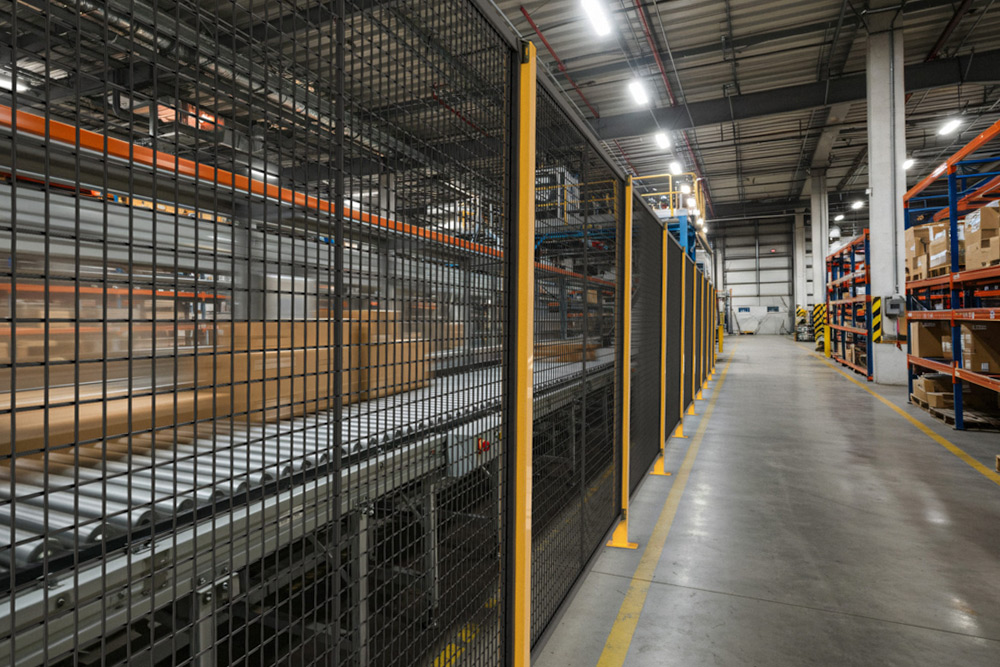
Effective machine guarding not only protects employees but also helps businesses improve productivity, reduce downtime, and maintain compliance with workplace safety regulations. In many industrial settings, these safeguards are delivered through fixed guards, interlocked access and modular machine guarding systems configured around the equipment and work area.
Understanding Machine Hazards
Industrial machinery contains numerous hazards that can injure workers if left unguarded. Common examples include rotating shafts, gears, chains, belts, rollers, cutting blades, and pinch points. These hazards can result in injuries ranging from minor lacerations to amputations and fatalities.
Many workplace incidents occur when employees are required to work close to hazardous machine movements during normal operation, cleaning, maintenance, or fault-finding activities. Understanding where these risks exist is the first step toward implementing effective safeguards.
The Role of Risk Assessments
A comprehensive risk assessment forms the foundation of any machine safety program. Every machine should be evaluated to identify potential hazards, determine who may be exposed, and assess the severity and likelihood of injury.
Risk assessments should consider all phases of machine use, including operation, setup, maintenance, cleaning, and emergency intervention. By identifying risks early, businesses can select safeguarding solutions that are both practical and effective.
Common Types of Machine Guarding
There are several safeguarding methods commonly used throughout industry. The most appropriate solution depends on the machine, the hazard, and operational requirements. In many facilities, these measures are installed as part of modular machine guarding or modular safety fencing systems that combine fixed panels, access gates and other protective elements around the hazard.
Fixed guards provide a permanent physical barrier that prevents access to dangerous areas. In many applications, fixed panels are used within modular machine guarding systems to create a practical enclosure that can be expanded or reconfigured if the layout changes.
Interlocked guards allow access when required but automatically stop hazardous motion when the guard is opened. This provides a balance between safety and operational flexibility.
Presence sensing devices, such as safety light curtains and laser scanners, detect when a person enters a hazardous zone and initiate a safe stop. These systems are particularly useful where frequent access is necessary.
Other safeguarding methods may include perimeter fencing, safety mats, two-hand control systems, and safety-rated control systems designed to reduce risk to acceptable levels.
Common Machine Guarding Mistakes
One of the most significant risks arises when guarding systems are modified or bypassed. Production pressures sometimes encourage workers to remove guards to clear jams, perform adjustments, or speed up tasks.
While these actions may appear to save time, they often expose workers to serious hazards. A machine that was originally considered adequately safeguarded can quickly become dangerous if safeguards are removed or altered without proper assessment.
Businesses should implement strict procedures to ensure machine guards remain in place and that any modifications undergo formal engineering review.
Inspection and Maintenance Requirements
Machine guarding systems require ongoing inspection and maintenance to remain effective. Guards can become damaged, loose, or misaligned over time, reducing their ability to protect workers. This is particularly important on modular machine guarding systems, where panels, posts, gates or access sections may be replaced or extended over time as production requirements change.
Regular inspections should verify that all guards are securely installed and functioning correctly. Safety interlocks, switches, and other protective devices should also be tested according to documented maintenance schedules.
Promptly addressing identified issues helps maintain a safe working environment and reduces the likelihood of incidents.
The Importance of Employee Training
Even the most advanced safeguarding systems can be undermined if workers do not understand their purpose. Training should explain the hazards associated with machinery, the function of guarding systems, and the procedures for reporting defects or concerns.
Employees should also understand why bypassing safeguards creates significant risks for themselves and their colleagues. A strong safety culture encourages workers to view guarding systems as essential protections rather than obstacles to productivity.
Business Benefits Beyond Compliance
Many organisations view machine guarding primarily as a regulatory requirement. However, effective safeguarding provides substantial operational benefits beyond compliance.
Reducing workplace injuries helps minimise downtime, lower workers’ compensation costs, and avoid disruption to production schedules. Well-designed guarding systems can also improve equipment reliability and support more consistent operations.
Most importantly, machine guarding demonstrates a commitment to employee wellbeing and workplace safety.
Taking a Proactive Approach to Machine Safety
Machine guarding should not be treated as a one-time project. As equipment, processes, and production requirements change, safeguarding systems should be reviewed to ensure they remain effective.
Organisations that regularly assess risks, maintain safeguarding systems, and invest in employee training are better positioned to prevent incidents and maintain safe, productive workplaces. A proactive approach to machine safety protects both people and business performance over the long term. Where modular machine guarding is used, the same principle applies: the system should be reviewed as equipment, access needs and production layouts change.
Conclusion
Machine guarding remains one of the most effective ways to reduce exposure to hazardous machine movement in industrial workplaces. The right safeguarding approach depends on the machine, the task, the frequency of access and how the equipment is maintained over time.
Effective guarding is not just about installing a barrier. It requires risk assessment, practical design, proper use, ongoing inspection and a clear understanding of how operators and maintenance personnel interact with the machine. In many facilities, this may include fixed guards, interlocked access and modular machine guarding systems configured around the equipment and work area.
Businesses that take a proactive approach to machine guarding are better positioned to reduce injuries, avoid downtime and support more reliable production. If you are reviewing an existing machine or planning a safeguarding upgrade, a structured assessment can help identify where the current arrangement may need improvement.
Frequently Asked Questions
What is machine guarding?
Machine guarding refers to physical barriers, interlocked guards and other safeguarding measures used to prevent or adequately restrict access to hazardous machine parts or zones.
Why is machine guarding important?
Machine guarding helps prevent contact with hazardous movement such as rotating parts, nip points, cutting zones and crushing areas. It also supports safer operation, maintenance and regulatory compliance.
What are the most common types of machine guarding?
Common types include fixed guards, interlocked guards, perimeter fencing, tunnel guards, light curtains, safety mats and other safeguarding systems selected according to the machine and the risk.
When should a machine guard be interlocked?
Interlocking is commonly used where a guard must be opened during normal operation, cleaning, setup or maintenance and access to the hazard must trigger a safe machine response.
Do machine guards need inspection and maintenance?
Yes. Guards can become loose, damaged, misaligned or bypassed over time. Regular inspection and maintenance are needed to confirm they still perform the intended protective function.
Can older machines be upgraded with guarding?
Often yes. Existing machinery can usually be retrofitted with improved guarding, but the solution should be based on a risk assessment and reviewed against the actual machine layout, access needs and stopping performance.
What is modular machine guarding?
Modular machine guarding uses standardized panels, posts and access gates to create guarding layouts around machinery. It can simplify installation and future changes, but it still needs to be designed around the actual hazards and access requirements.
Request A Quote
Need Guarding for a Machine or Production Line?
- Free, no obligation quote
- Send drawings or a basic layout
- Get a recommended configuration
- 24-48 hours turnaround on quotes